Disclaimer: This article is for informational purposes only and does not constitute financial advice. Flood insurance claims, mortgage hardship arrangements, and property valuations involve complex legal and financial considerations. Consult a licensed financial adviser or mortgage broker before making decisions. Reader discretion is advised.
What ‘Write-Off’ Actually Means for Your Finances
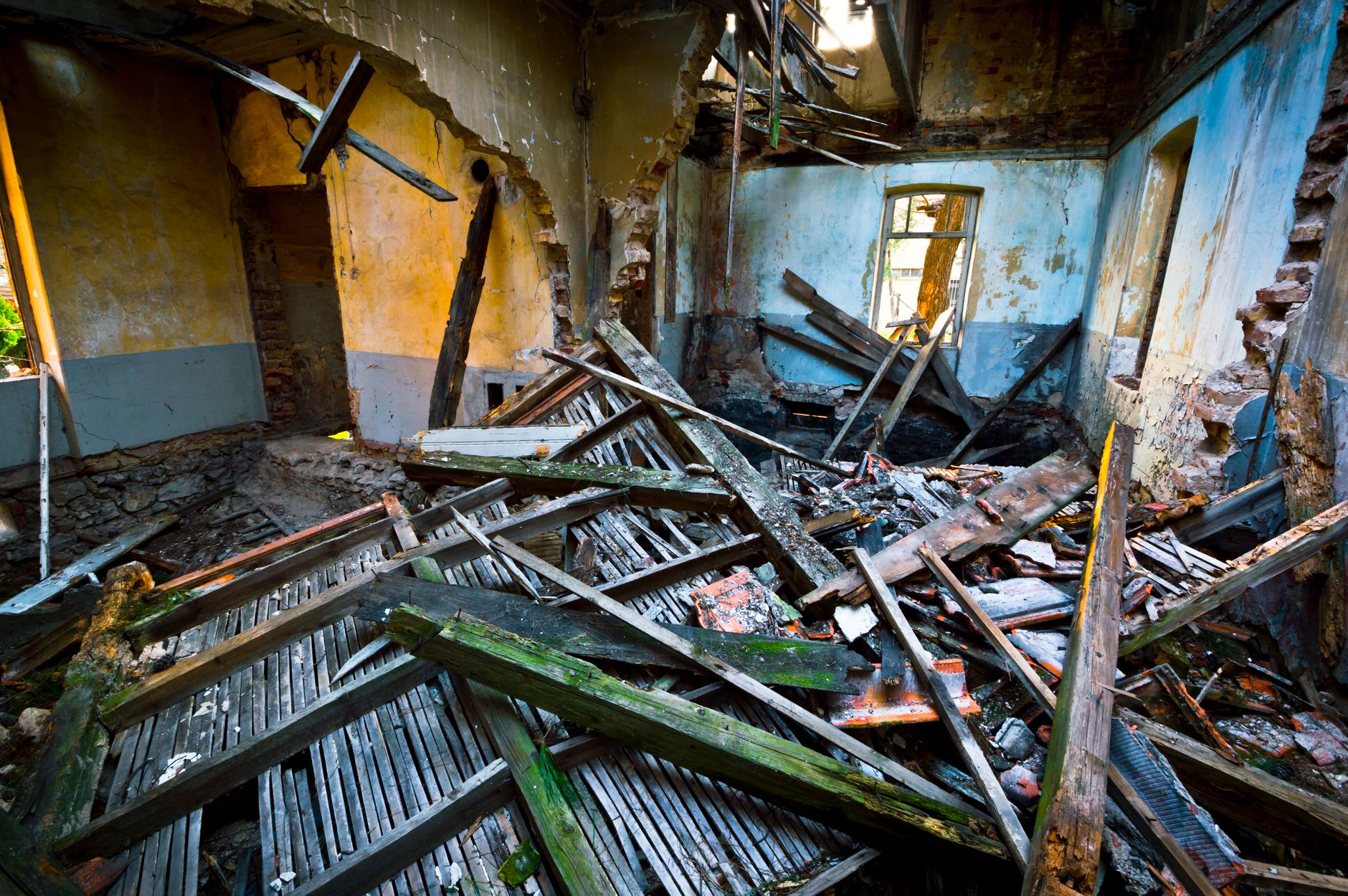
When an insurer declares a flood-damaged property a ‘write-off’ or total loss, the term is mechanical—not financial. It means the cost to repair exceeds the sum insured, or the structural damage renders the property uninhabitable under the National Construction Code 2025. What it does not mean is that your mortgage disappears.
Data from the Insurance Council of Australia (ICA) shows that in 2025, flood-related claims across Australia totalled $2.47 billion, with 1,840 properties classified as total losses. Of those, 63% had an outstanding mortgage balance exceeding the final insurance payout. The median shortfall was $94,000.
The Three Numbers That Determine Your Exposure
- Sum Insured: The maximum your insurer will pay for the building · Average underinsurance in flood zones: 28% below actual rebuild cost (CoreLogic, Q1 2026)
- Outstanding Loan Balance: What you still owe the lender · Average Australian mortgage balance: $624,000 (RBA, Jan 2026)
- Market Value Post-Loss: What the insurer will pay on a total-loss claim · Typically 15–30% below pre-flood market value in high-risk zones
If Sum Insured < Loan Balance, you carry the shortfall personally. If the property is in a high-risk flood overlay and resale value drops, even a full payout may leave you unable to repurchase in the same area.
The Insurance Assessment Timeline: What To Expect
Week 1–2: Initial Assessment
Your insurer sends a loss adjuster (employed by the insurer, not independent) to inspect the property. They will classify damage into one of three categories:
- Repairable — Cost below sum insured; claim proceeds to repair
- Borderline — Requires structural engineer report and hydrology assessment
- Total Loss/Write-Off — Repair cost exceeds 80% of sum insured or structure unsafe
Week 3–6: Hydrological and Structural Reports
In borderline cases, independent engineers assess foundation integrity, mould penetration, and floodwater contamination levels. In Q1 2026, the average wait time for a structural engineer report in flood-affected regions of Queensland was 11.3 business days (Engineers Australia survey, Feb 2026).
Week 6–12+: Determination and Offer
If a total loss is confirmed, the insurer tables a settlement offer based on market value. Critical: This is negotiable. AFCA data from 2025–26 shows that initial write-off settlement offers were revised upward by an average of 14.6% when policyholders engaged an independent loss assessor at their own cost (typically $1,500–$3,000).
Mortgage Hardship: Your Options in the First 72 Hours
The Australian Banking Association (ABA) updated its Financial Hardship Framework in December 2025, introducing specific provisions for natural disaster victims. You do not need to wait for the insurance determination to act.
Immediate Steps
- Notify your lender within 72 hours of the flood event, not after the insurance determination. Early notification preserves more options.
- Request a hardship variation, not a general inquiry. The specific wording matters under the National Credit Code.
- Document everything — photos of flood damage, insurance claim number, and independent quotes where available.
What Lenders Typically Offer
- Repayment Pause: 3–6 months · Accrues and capitalises · Nil if granted under ABA hardship provisions
- Interest-Only Conversion: 12–24 months · Paid monthly · Nil
- Term Extension: Loan term · Added to balance · Minor — lender notes hardship arrangement
- Debt Forgiveness: Case-by-case · N/A · Significant — rare, requires AFCA escalation
Key point: A repayment pause does not freeze interest. On an average $624,000 mortgage at 6.15% variable (RBA cash rate 4.10%, Jan 2026), interest capitalising over a 6-month pause adds approximately $19,170 to your loan balance.
The Underinsurance Crisis: Why 28% of Flood-Zone Homeowners Are at Risk
CoreLogic’s 2026 Natural Hazard Risk Report found that 1 in 11 properties in designated flood-overlay zones carry building insurance with a sum insured at least 28% below the actual rebuild cost. The gap has widened from 22% in 2022, driven by:
- Construction cost inflation: Rebuild costs rose 5.3% in 2025 alone (ABS Producer Price Index, Dec 2025)
- Code compliance upgrades: Post-2022 flood code changes require elevated floor levels, flood-resistant materials, and upgraded drainage in rebuilds — costs not captured in older insurance valuations
- Excess creep: Standard flood excess rose from $5,000 in 2020 to $9,400 in 2026, reducing effective coverage
How To Check If You’re Underinsured
- Get a rebuild cost estimate from a quantity surveyor or use the Insurance Council’s rebuild calculator (updated with 2026 cost indices)
- Compare three numbers: rebuild estimate vs. sum insured on your policy vs. outstanding loan balance
- If rebuild > sum insured, contact your insurer for a mid-term adjustment or shop the policy at renewal
AFCA and the Write-Off Dispute: When To Push Back
A ‘write-off’ determination is an opinion, not a legal finding. The Australian Financial Complaints Authority (AFCA) handles disputes where policyholders believe an insurer’s total-loss assessment undervalues the property or ignores viable repair options.
2025–26 AFCA Key Statistics (Flood Claims)
- Total flood-related complaints received: 1,207 (up 31% from 2024–25)
- Percentage of write-off determinations overturned or revised upward: 19%
- Average uplift in settlement after AFCA intervention: $82,300
- Median resolution time: 4.6 months
Case note (AFCA Determination 2025-08821): An insurer declared a Lismore property a total loss at $340,000 market value. The policyholder obtained an independent structural engineer report demonstrating that pier-and-beam foundation repair was viable at $190,000. AFCA ruled the property was not a total loss and ordered the insurer to fund repairs plus $28,000 in alternative accommodation costs.
When to Escalate
If your insurer’s initial assessment falls into any of these scenarios, obtain an independent loss assessor’s report before accepting settlement:
- Sum insured is within 20% of the repair estimate
- The insurer’s report relies solely on a desktop valuation, not a physical inspection
- You have a replacement-cost policy but the insurer is offering market value
Rebuilding in a Flood Zone: What the 2026 Code Requires
The National Construction Code 2025 (mandatory from 1 May 2026) imposes stricter rebuild standards on properties in mapped flood-hazard areas. These affect rebuild costs significantly:

- Minimum floor level must be 500mm above the 1-in-100-year flood level (up from 300mm previously)
- Flood-resistant materials required up to 400mm above the defined flood level
- Backflow prevention valves mandatory on all sanitary drains
- Electrical switchboards and meters must be elevated above the flood level
These requirements add an estimated 8–12% to rebuild costs compared to pre-code baseline, according to the Master Builders Association (Q4 2025 estimate). If your insurance policy was written before May 2026, confirm with your insurer whether code-compliance cost uplift is covered. Some ‘replacement value’ policies include this; most ‘sum insured’ policies do not.
FAQ
Q: How long does ‘waiting to hear if my house is a write-off’ typically take?
Initial determination takes 2–6 weeks on average. In Q1 2026, the ICA reported that 38% of complex flood claims took longer than 8 weeks due to assessor shortages. Policyholders in regional areas face longer delays. Request a timeline in writing from your insurer on day one and follow up weekly.
Q: What if I can’t afford the mortgage payments while waiting for the insurance settlement?
Apply for a hardship variation with your lender immediately — do not skip payments without formal approval, as missed payments will damage your credit file. The ABA 2025 framework mandates that lenders respond to natural-disaster hardship requests within 10 business days. While waiting, ask about an interest-only conversion (which avoids interest capitalisation) rather than a full repayment pause.
Q: Will my home insurance premium increase after a flood claim, even if I wasn’t at fault?
Yes. A 2026 analysis by Canstar found that a single flood claim increases average annual premiums by 34–48% in the same postcode. Some insurers may decline renewal if the property remains in a high-risk flood overlay. If your current insurer exits your market, you may need to access the government-backed Cyclone and Flood Reinsurance Pool (extended to cover flood-only risks from July 2025), which keeps a limited number of policies available in high-risk areas.
Q: Can I sell a flood-damaged house before the insurance claim settles?
Technically yes, but practically very difficult. You must disclose the flood damage to buyers under state property disclosure laws. Most lenders will not approve a mortgage on a property with an unresolved insurance claim. If you sell a total-loss property pre-settlement, the insurance claim typically transfers to the buyer unless the contract specifies otherwise — and the sale price will reflect the damaged condition, often 30–50% below pre-flood value.
Q: What happens to my contents insurance when the house is declared a write-off?
Contents insurance is a separate policy with its own sum insured. In a total loss, your contents claim proceeds independently of the building claim. Average contents payout timelines are faster (3–6 weeks) than building claims. However, if contents are water-damaged and unretrievable, document everything with photos and compile an itemised list with purchase dates and estimated replacement costs before the adjuster visits.
References
-
Insurance Council of Australia — Catastrophe Data Dashboard (2025–26)
https://insurancecouncil.com.au/catastrophe-data
Authoritative industry body tracking all insurance claims from declared catastrophe events, used here for total-loss counts, average payout values, and assessment timelines. -
CoreLogic — Natural Hazard Risk Report Q1 2026
https://corelogic.com.au/research/natural-hazard-risk
Leading property data provider’s quarterly report quantifying underinsurance rates in flood zones and construction cost inflation impacts on rebuild values. -
Australian Financial Complaints Authority — Systemic Issues Report 2025–26
https://afca.org.au/publications/systemic-issues
Statutory dispute resolution body’s annual data on flood claim complaints, overturn rates, and settlement uplifts; referenced for AFCA statistics and case outcomes. -
Australian Banking Association — Financial Hardship Framework (Updated December 2025)
https://ausbanking.org.au/consumers/hardship
Official industry framework governing how lenders must handle natural disaster hardship applications; used for repayment pause terms, response timelines, and credit impact provisions.