Disclaimer: This article is for informational purposes only and does not constitute financial advice. Consult a licensed mortgage broker or financial adviser before making any investment or borrowing decisions.
Project Overview: Fosun’s Shaw Brothers Movietown Development
On 14 March 2026, Fosun International held a ground-breaking ceremony at 201 Clear Water Bay Road, officially launching the redevelopment of the iconic Shaw Brothers Movietown. The site—once the heart of Hong Kong’s golden-age cinema—has been vacant since 2016. After a HK$9.2 billion acquisition in 2021 and a four-year rezoning process, the project now commands a total investment envelope of HK$10 billion (approximately A$1.97 billion based on the March 2026 AUD/HKD cross rate of 5.07).
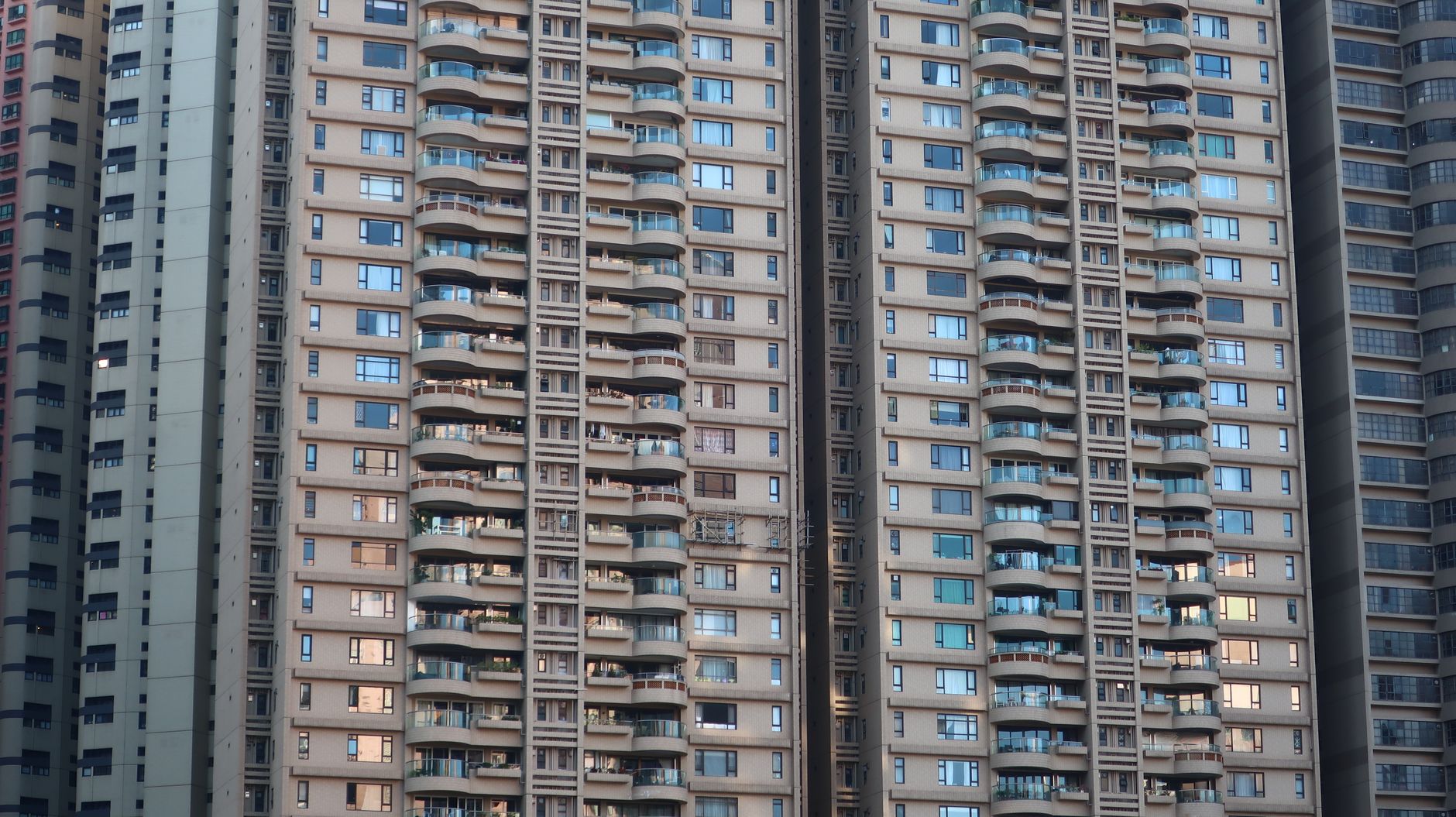
The approved masterplan consists of 12 residential towers ranging from 18 to 24 storeys, delivering 1,824 units. Unit mix: 60% two-bedroom (650–780 sq ft), 28% three-bedroom (950–1,200 sq ft), and 12% four-bedroom penthouses (1,500–2,200 sq ft). First pre-sales are scheduled for Q4 2026, with staged completions between Q2 2028 and Q3 2029.
Key Project Numbers (Table)
- Developer: Fosun International (HKEx: 0656)
- Total Investment: HK$10 billion (A$1.97 billion)
- Land Cost (2021): HK$9.2 billion
- Site Area: 1.4 million sq ft (13 hectares)
- Residential GFA: 1.02 million sq ft
- Number of Units: 1,824
- Tower Count: 12
- Unit Sizes: 650–2,200 sq ft
- Target Pre-sale Date: Q4 2026
- Final Completion: Q3 2029
- Estimated Sellable Value: HK$25–28 billion (A$4.9–5.5 billion)
Financial Structure and Debt Benchmarking
Fosun’s funding model for Movietown directly speaks to Australian mortgage holders because it reveals global credit pricing. In January 2026, the developer closed a HK$6.2 billion five-year syndicated loan with a consortium led by HSBC, Bank of China (Hong Kong), and Standard Chartered. The interest spread: HIBOR + 1.65% with a step-up to 1.90% after year three.
As of 31 March 2026, the 1-month HIBOR stood at 4.30%, giving an effective developer borrowing cost of 5.95%. Compare this to the average Australian owner-occupier variable rate of 6.29% (RBA Indicator Lending Rates, March 2026). The 0.34% gap is remarkably narrow, considering that Hong Kong residential construction finance typically carries a far higher risk premium than Australian prime mortgages. This compression suggests that Asian lenders see strong pre-sale absorption and are pricing the asset at near mortgage-book levels.
For Australian borrowers with equity, this creates a strategic question: if you can release home equity at 6.29% and deploy it into a project whose developer finance is priced at 5.95%, the capital cost arbitrage is miniscule—but the long-term capital growth assumptions (Fosun targets HK$15,000 per sq ft average sale price) could still make the equation interesting for AUD-hedged speculators.
Why Australian Mortgage Holders Should Pay Attention
The ground-breaking is not just a Hong Kong story. Three direct transmission channels connect it to Australian home loan books:
- Global Capital Allocation: Fosun’s decision to commit A$1.97 billion to one residential project signals that large institutional investors still prefer Asian gateway cities for luxury housing. This could reduce the wall of foreign capital that has been chasing Australian residential sites in Sydney and Melbourne, easing land price inflation that has kept new-build premiums high.
- RMBS and Offshore Liquidity: Australian major banks fund roughly 30% of their mortgage books through offshore wholesale markets. When Asian syndicated loan volumes spike (the Movietown facility is one of 14 large-scale property loans totalling HK$48 billion in Q1 2026 across Hong Kong), it absorbs global liquidity that might otherwise flow into AUD-denominated RMBS. Reduced RMBS demand typically widens spreads and can, at the margin, put upward pressure on Australian variable rates.
- Exchange Rate Dynamics: The AUD/HKD cross rate has been volatile, trading between 4.85 and 5.20 throughout 2025–2026. A major project denominated in HKD creates natural hedging demand: Australian investors buying off-the-plan in Hong Kong will need to sell AUD and buy HKD at settlement, potentially weighing on the Australian dollar. A weaker AUD raises imported inflation, which in turn influences RBA rate decisions—the very mechanism that sets your mortgage rate.
RBA Cash Rate vs. HIBOR Spread (March 2026)
- RBA Cash Rate: 4.10%
- Average Australian Variable Rate: 6.29%
- 1-Month HIBOR: 4.30%
- Fosun Movietown Loan (HIBOR + 1.65%): 5.95%
- AUD/HKD Exchange Rate: 5.07
Hong Kong vs. Australian Property: Key Metrics for Borrowers
Australian mortgage holders often benchmark their investment decisions against familiar domestic data. The table below contrasts the Fosun Movietown project with a comparable Australian off-the-plan apartment complex of similar scale.
- Average Price per sq ft: HK$15,000 (A$2,960) · A$1,200–1,800
- Deposit Required (Off-the-plan): 5% (HK$1.2M avg) + 15% BSD for foreigners · 10% (A$120K avg)
- Typical Mortgage LVR: 50–60% for non-resident borrowers · 80–90% (with LMI)
- Foreign Buyer Stamp Duty: 15% of purchase price · 8% (NSW, 2026)
- Capital Gains Tax (non-resident): Nil (Hong Kong has no CGT) · Yes, on Australian property
- Rental Yield (gross, est.): 2.2–2.5% · 3.5–4.2% (Sydney apartments)
For an Australian borrower sitting on substantial home equity, the deposit hurdle in Hong Kong is higher due to the 15% Buyer’s Stamp Duty, but the zero CGT regime and the potential for capital appreciation in a supply-constrained market (Clear Water Bay has seen only two new projects in a decade) make it an alternative diversification play.
Opportunities and Risks for Australian Investors
Potential Opportunities
- Portfolio Diversification: Holding a HKD-denominated residential asset provides a natural hedge if you believe the AUD will weaken against Asian currencies. It separates your property exposure from the increasingly regulated Australian lending environment and possible changes to negative gearing rules after the 2025 election.
- First-Mover Pre-Sale Pricing: Early-bird discounts in Hong Kong pre-sales often range 5–8% below final launch prices. If Fosun offers this, Australian buyers could lock in a HK$14,000 psf entry point, which would represent a 6.7% discount to the target sell price.
- Equity Release Strategy: Australian homeowners with substantial equity (60%+ LVR) can explore cash-out refinancing at 6.29% variable to fund a Hong Kong deposit. The trade-off is increasing your Australian debt, but you gain an asset in a different regulatory and tax regime.
Key Risks
- Currency Mismatch: An unfavourable move in AUD/HKD could increase your effective borrowing cost. If the AUD weakens from 5.07 to 4.70 by 2029, your HKD 8 million apartment will cost A$1.7 million instead of A$1.58 million at current rates.
- Non-Resident Financing Difficulty: Hong Kong banks typically restrict LVRs to 50–60% for foreign borrowers and require proof of offshore income. Australian borrowers may need to use a private banking relationship rather than a standard retail mortgage.
- Regulatory Shifts: Hong Kong’s stamp duty regime has been adjusted six times between 2020 and 2026. A further hike in Buyer’s Stamp Duty could erode net returns.
Future Outlook and What to Watch
The Fosun Movietown ground-breaking is a bellwether for high-end Asian residential development. Over the next 18 months, Australian mortgage holders should monitor three indicators:
- Pre-sale absorption rates in Q4 2026: A sell-out within four weeks would confirm strong demand and could trigger further Hong Kong land sale premiums, absorbing more global capital.
- AUD/HKD trajectory: The RBA’s 2026 meeting minutes will signal any further rate hikes; keep an eye on whether the AUD depreciates past the 4.90 level, which would increase the relative attractiveness of HKD assets.
- Australian bank RMBS issuance volumes: If Westpac and CBA reduce offshore bond issuance in favour of domestic funding, it’s a sign that Asian liquidity is being crowded out, potentially pushing domestic mortgage rates higher.

Q: What is the Fosun Shaw Brothers Movietown project?
It is a luxury residential development on the former Shaw Brothers film studio site in Clear Water Bay, Hong Kong. Fosun International acquired the land in 2021 and broke ground in March 2026. The project comprises 1,824 apartments across 12 towers, with a total investment of HK$10 billion and first pre-sales expected in late 2026.
Q: How does this project affect Australian mortgage rates?
Large Hong Kong developments absorb offshore liquidity that could otherwise flow into Australian mortgage-backed securities. If Asian syndicated lending expands, it may reduce demand for AUD-denominated RMBS, widening spreads and potentially adding 5–15 basis points of upward pressure on variable rates over the medium term. The actual pass-through depends on RBA policy and global bond market conditions.
Q: Can Australian mortgage holders invest in the Fosun Movietown apartments?
Yes, foreign buyers including Australians are eligible. However, you will face a 15% Buyer’s Stamp Duty in Hong Kong, non-resident LVR caps of 50–60%, and must navigate HKD-denominated mortgages typically priced at HIBOR + 1.00–1.50%. Australian banks do not finance offshore purchases, so you would need to either use equity release from your Australian property or arrange lending directly with a Hong Kong financial institution.
Q: What is the potential rental yield on these apartments?
Based on comparable new developments in Clear Water Bay, gross rental yields are estimated between 2.2% and 2.5% per annum. This is lower than typical Sydney apartment yields of 3.5–4.2%, meaning the investment thesis relies more on capital appreciation than cash flow.
Q: Are there any tax advantages for Australian investors buying in Hong Kong?
Hong Kong does not levy capital gains tax on property sales, unlike Australia where foreign residents are subject to CGT on disposal of Australian real estate. Additionally, Hong Kong has no stamp duty surcharge beyond the existing 15% BSD for non-permanent residents. However, Australian tax residents must still declare worldwide income, so rental income would be taxed in Australia with a foreign tax credit for any Hong Kong property tax paid.
References
- Fosun International – Official Announcement on Ground-Breaking at Shaw Brothers Movietown Site (March 2026) – Fosun Investor Relations – Primary source for project size, timeline, and investment figures.
- Reserve Bank of Australia – Indicator Lending Rates, March 2026 Release – RBA Statistical Tables F6 – Official Australian mortgage rate data used for benchmarking.
- Hong Kong Monetary Authority – Monthly Statistical Bulletin (March 2026) – HKMA Publications – Source for HIBOR rates and residential mortgage survey data.
- South China Morning Post – “Fosun secures rezoning for HK$10b Clear Water Bay residential project” (November 2025) – SCMP Business – Context on rezoning approval and pre-sale schedule.